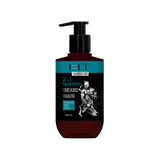
Menthol is a naturally occurring ingredient derived from mint. It is widely used in cosmetics and care products due to its unique properties. In hair and beard care products, menthol plays an important role in providing numerous benefits. Let's take a look at how menthol can improve your hair and beard care and why you should consider it.
Cooling and soothing effect
One of the most well-known properties of menthol is its cooling effect. Products with menthol give a feeling of freshness and coolness, which is especially pleasant during the summer heat or after physical exertion. Menthol also has a soothing effect on the skin, helping to reduce irritation and itching that can occur after shaving or due to dry skin.
Stimulation of blood circulation
Menthol can stimulate blood circulation in the scalp and face. Improved blood circulation contributes to a better supply of oxygen and nutrients to the hair follicles, which can help strengthen hair and beard and stimulate their growth.
Antiseptic properties
Menthol has natural antiseptic properties that help fight bacteria and prevent infections. This is especially useful for men who have sensitive skin or are prone to hair growth. The antiseptic effect of menthol helps keep the skin clean and healthy.
Regulate sebum production
Menthol can help regulate sebum production, making it beneficial for those with oily scalp or facial skin. Using products with menthol helps to maintain a balance, preventing excessive sebum production and thus reducing oily hair and skin.
Refreshing scent
Products with menthol have a pleasant, refreshing scent that gives a feeling of cleanliness and freshness. This makes the use of such products even more pleasant and attractive.
Menthol is a valuable ingredient in hair and beard care products due to its cooling, soothing, antiseptic and stimulating properties. It helps to improve the condition of the skin and hair, making them healthier and better looking. Use products with menthol to give your hair and beard care a new level of freshness and effectiveness.